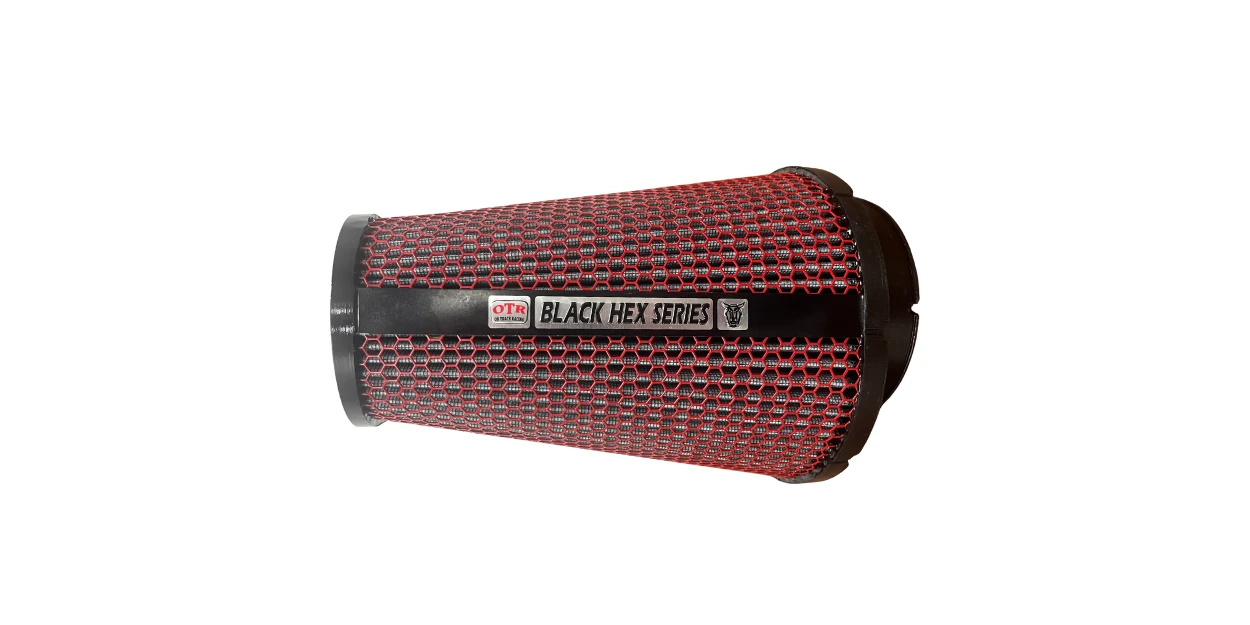
Are Performance Air Filters Worth the Money?
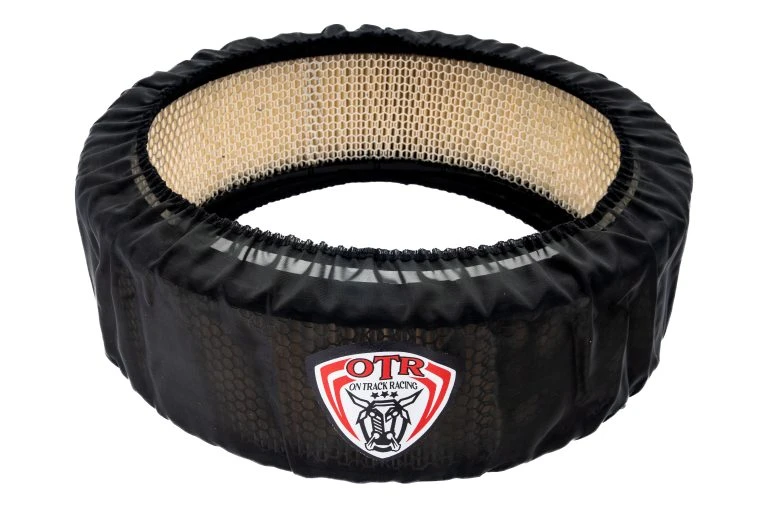
If you’ve spent any time around racers, hot rodders, off-road enthusiasts, or performance boat owners, you’ve probably heard the debate: Are performance air filters really worth the money?
It’s a fair question. After all, air filters are often overlooked components that sit quietly under the hood until it’s time for maintenance. Yet they play a critical role in engine performance and longevity.
Having spent more than 20 years in the performance filtration industry, manufacturing filters for racers and enthusiasts, I’ve had the opportunity to work with countless customers, race teams, and engine builders. Over the years, one thing has become clear: a properly designed performance air filter can absolutely be worth the investment.
The key, however, is understanding what separates a high-quality performance filter from outdated technology.
What Does a Performance Air Filter Actually Do?
At its most basic level, an air filter has two jobs:
- Allow as much clean air into the engine as possible.
- Prevent harmful contaminants from entering the engine.
That sounds simple, but in reality, those two goals are often at odds with one another.
More airflow can improve engine performance, but inadequate filtration can allow dirt and debris to enter the engine. On the other hand, excessive filtration can restrict airflow and rob the engine of power.
The best performance filters strike the proper balance.
The Real Goal: Balancing Airflow and Filtration
One of the biggest misconceptions in the industry is that maximum airflow automatically equals maximum performance.
In reality, it’s more complicated than that.
Some filters sacrifice filtration for airflow. Others sacrifice airflow for filtration. Neither extreme is ideal.
In my experience, the goal isn’t maximum filtration or maximum airflow—it’s achieving the optimal balance between the two.
A high-performance engine needs air. Restrict airflow too much, and performance suffers. Allow too many contaminants through, and engine wear increases.
The challenge for filter manufacturers is designing media that delivers both protection and performance.
That’s where modern filtration technology has significantly advanced.
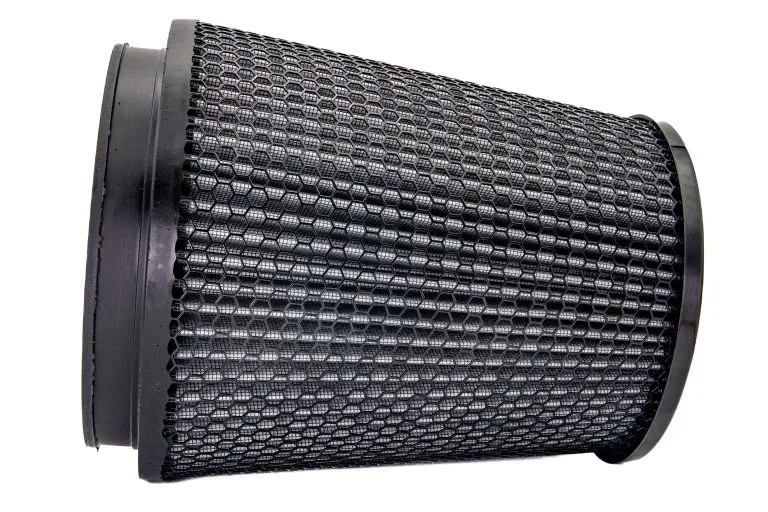
Why Synthetic Media Has Changed the Game
Many enthusiasts still rely on technologies that have existed for decades, including oiled cotton filters or disposable paper elements.
While these products certainly have their place, filtration technology has evolved.
Modern synthetic filtration media is specifically engineered to capture small particles while maintaining excellent airflow characteristics. This allows the engine to breathe freely while still receiving the protection it needs.
At OTR Filters, our philosophy has always been simple: provide maximum airflow with maximum protection while minimizing restriction.
That philosophy has guided our product development from the beginning.
Founded more than 15 years ago out of a passion for cars and boats, OTR Filters was created to provide smarter filtration solutions for high-performance vehicles and recreational machines. Today, those same principles continue to drive innovation across racing
The Truth About Oiled Filters
One of the most common misconceptions I encounter is the belief that oil itself is necessary for filtration.
That’s not entirely accurate.
Oil is often used because certain filter media require it to help capture particles. However, advanced synthetic media can trap contaminants without the need for oil.
This provides several advantages:
- No messy oiling process.
- No risk of over-oiling.
- Simplified maintenance.
- Consistent filtration performance.
- Quick cleaning and reinstallation.
With modern dry synthetic filters, maintenance can be as simple as cleaning the filter with compressed air and reinstalling it.
No oil. No mess. No waiting.
What Benefits Do Racers and Enthusiasts Actually Notice?
After decades of conversations with racers and enthusiasts, the benefits people most often report include:
- Improved throttle response.
- Increased airflow.
- Better performance in demanding conditions.
- Reduced maintenance costs through reusability.
- Longer engine life through improved filtration.
- Greater convenience compared to disposable filters.
One point worth noting: in the racing and performance world, fuel economy is rarely the primary concern.
Performance enthusiasts aren’t chasing miles per gallon.
They’re chasing power, response, reliability, and protection.
Whether it’s circle track racing, drag racing, off-road applications, or high-performance street vehicles, the conversation is usually about helping the engine perform at its best.
Real-World Performance Matters
Throughout my career, I’ve seen firsthand how filtration affects engine performance and longevity.
I’ve personally used performance filters across various vehicle builds and applications. I’ve also spent years speaking directly with racers, enthusiasts, and engine builders about what works and what doesn’t.
One of the strongest validations of filtration performance often comes directly from racers themselves.
In one public social media post, Speed Shark Racing commented that OTR was the first filter they had used that truly did its job and protected the engine.
For anyone involved in racing, that’s high praise.
Racers operate in some of the harshest environments imaginable. Dirt, debris, heat, and vibration push every component to its limits. When a racer trusts a filter to protect an engine, that trust is earned through real-world results. That’s why many competititve teams and enthusiasts rely on high-quality racing air filters designed to deliver both airflow and engine protection in demanding conditions.
Are Performance Air Filters Ever Not Worth the Money?
In my experience, a quality performance air filter is almost always worth the investment.
That’s especially true when you consider that many modern filters are reusable and designed to last.
The bigger question isn’t whether a performance filter is worth the money.
The better question is whether the filter delivers both airflow and protection.
A filter that flows well but allows harmful particles into the engine isn’t a good investment. Likewise, a filter that protects well but restricts performance may not meet the needs of enthusiasts seeking maximum performance.
The best filters do both.
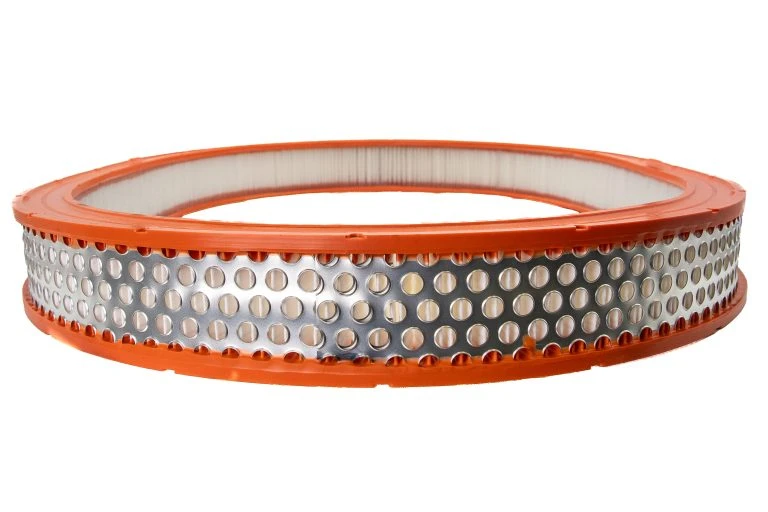
The Biggest Mistake Enthusiasts Make
If there’s one mistake I see repeatedly, it’s relying on old technology simply because that’s what they’ve always used.
The automotive industry evolves constantly. Engines become more advanced, materials improve, and manufacturing technologies advance.
Filtration technology is no different.
Many enthusiasts continue using oiled media or disposable filters out of habit, not because they’re necessarily the best solution available today.
As with many aspects of performance, innovation often creates better ways of doing things.
Final Verdict: Are Performance Air Filters Worth the Money?
The short answer is yes.
A well-designed performance air filter can improve airflow, sharpen throttle response, protect the engine, reduce maintenance, and provide years of reusable service.
But not all filters are created equal.
After more than two decades in the industry, one lesson stands above the rest: performance and protection should never be mutually exclusive.
The best filtration systems deliver both.
For racers and enthusiasts alike, that’s what truly makes a performance air filter worth the money.